The problem
You only find out your bag is overweight when it's too late to do anything about it. I love traveling, but with my life crammed into two suitcases every small thing I can bring matters — and I couldn't stand being told at the counter to pay up or unpack.
Cars solved a similar sensing problem years ago with tire-pressure monitoring. Why not luggage?
The brief: conceptualize an idea that solves a problem within a topic space (mine: travel).
Research
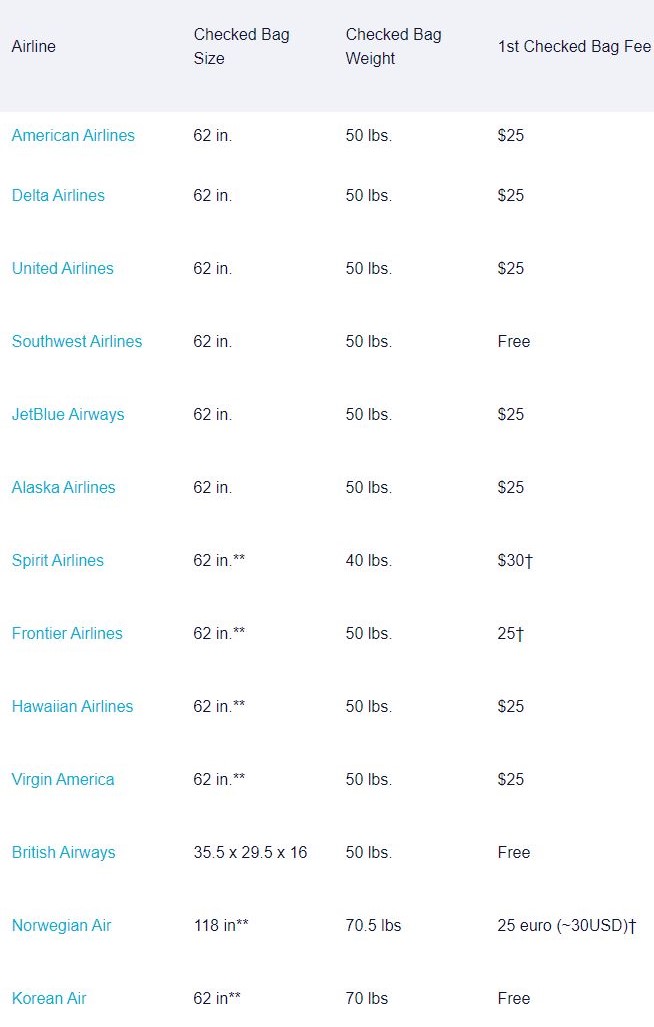
As of 2019, only a handful of airlines allowed checked bags over 50 lbs, and carriers had good reason not to budge — the Washington Post reported roughly $3.1 billion in luggage fees, with escalating charges past each weight tier.
Self-weighing suitcases had been tried: the TUL Kickstarter got press from Gizmodo and ABC but missed its funding goal, and Samsonite and Panasonic announced an alliance around biometric locks and integrated scales. None had reached the mainstream. Most people still used hand-held pulley scales — and the one-star reviews showed how much they disliked them.
Solution
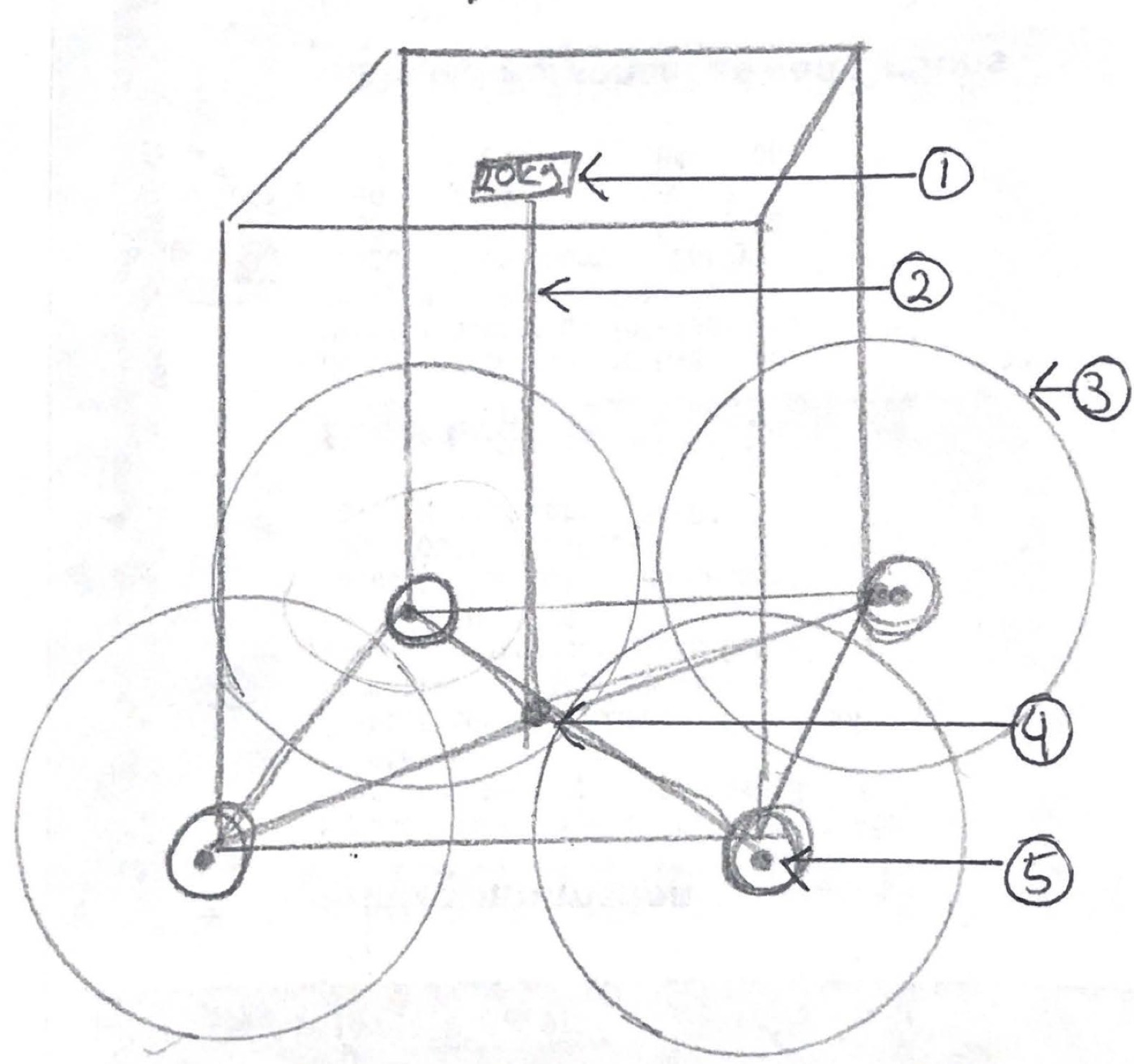
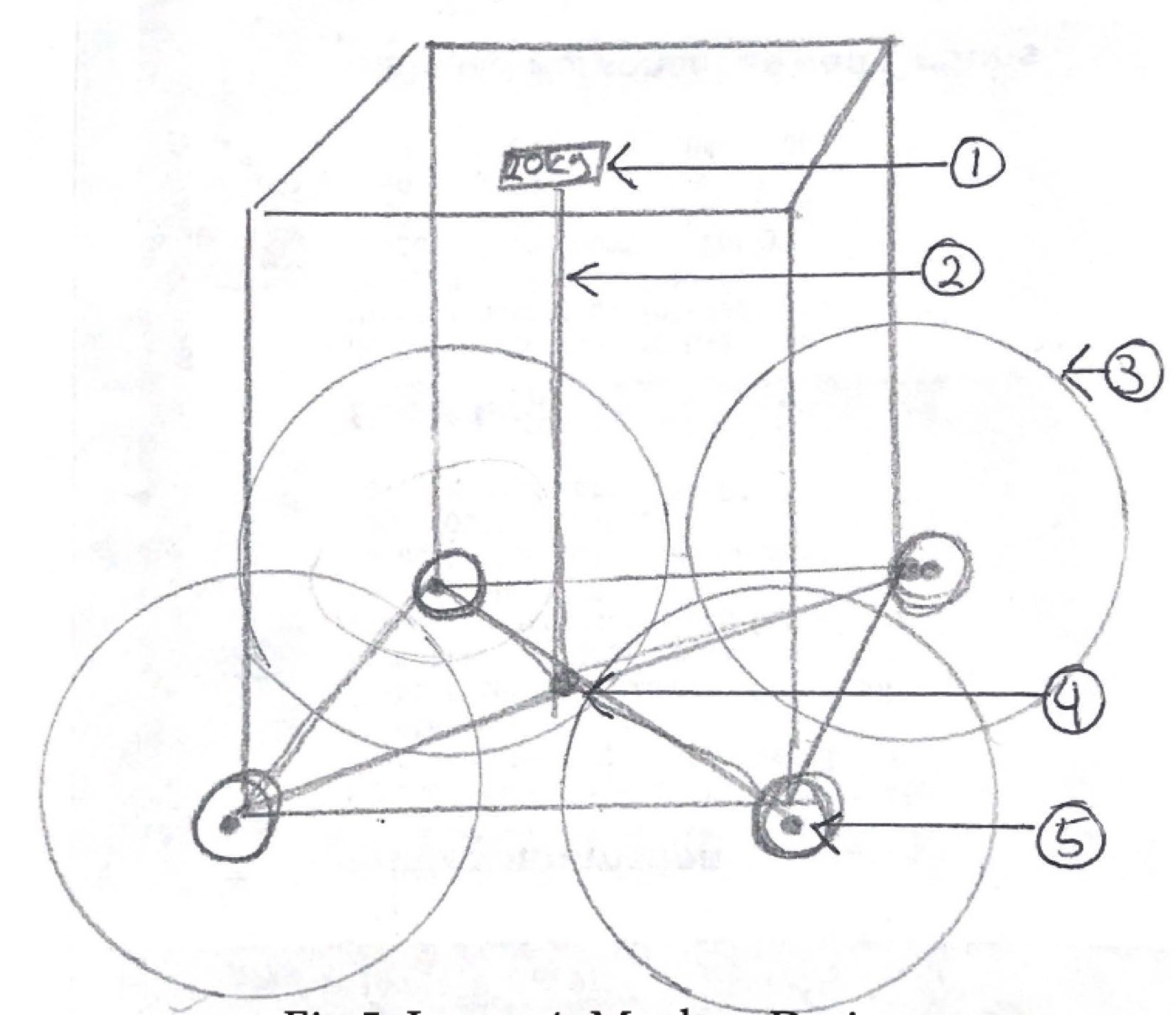
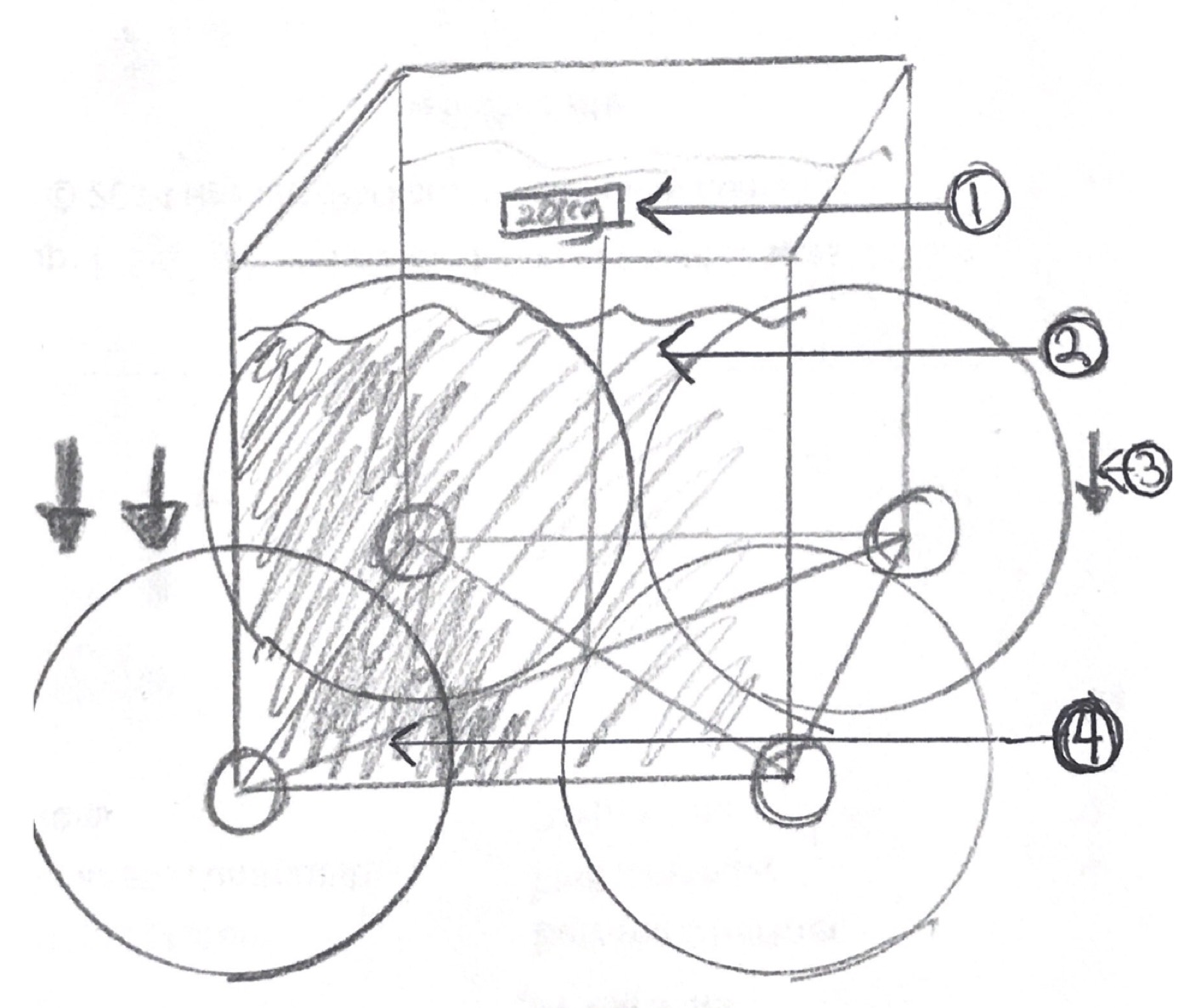
Two technologies inspired the design: TPMS (mandated on all US cars after the 2000 TREAD Act) and Wi-Fi mesh networks, where multiple access points cooperate to cover an area better than one could alone.
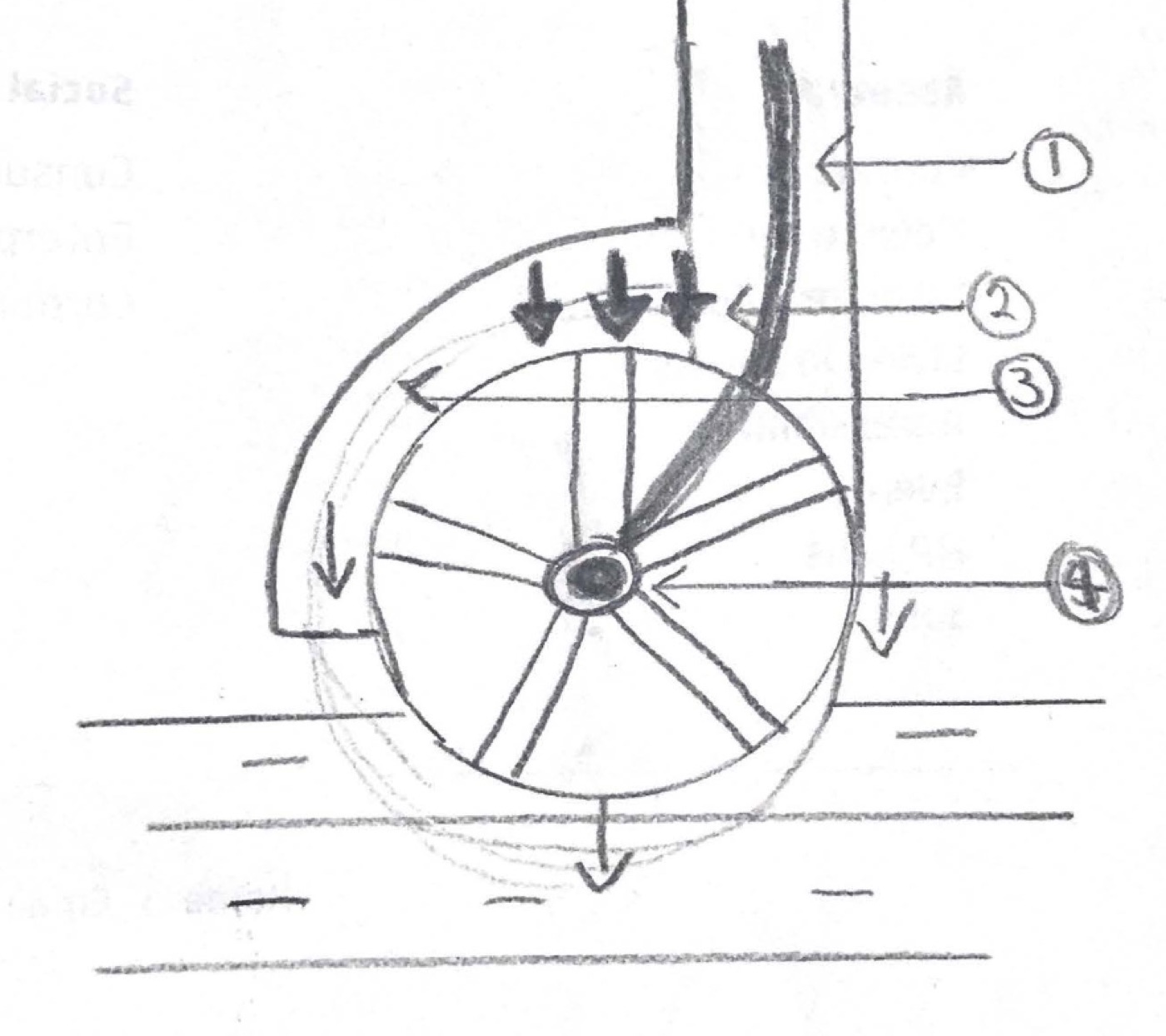
Force sensors in every wheel, working together like a mesh — so uneven packing still produces one accurate number.

What's next
- Prototype it. The project was about the sensing technology, not the bag; the next step is building the sensor package and retrofitting a suitcase.
- Durability. Luggage wheels fail unpredictably; the sensors would too. Real-world wear testing is required.
- Function. Weighing only works standing still; retractable wheels or motion compensation could handle sloshing weight while rolling.
- Power. A small battery charged by wheel motion (kinetic) is the most promising option.
- Other applications. The same comparative-sensor approach could flag tire weight imbalances on manufacturing lines.